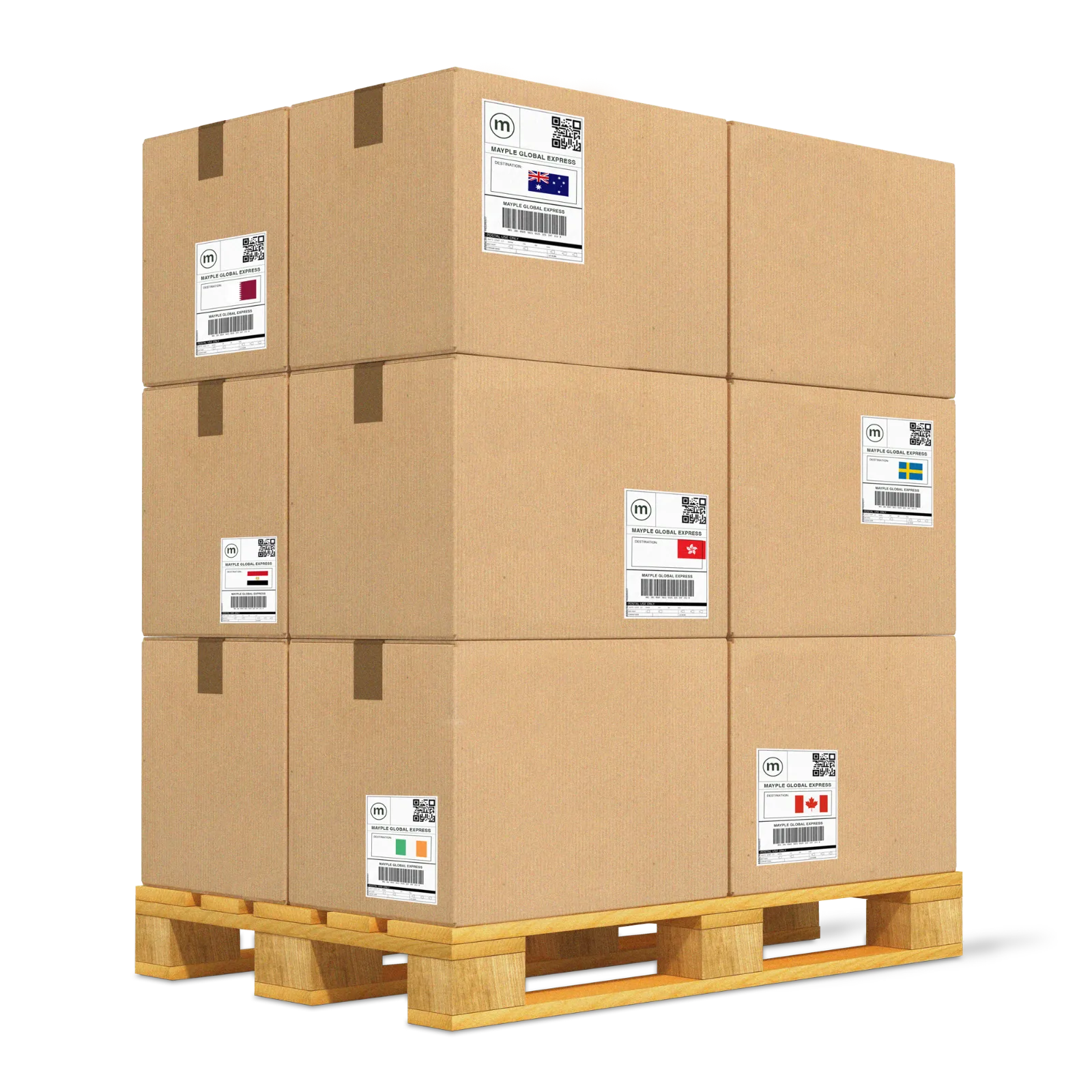
For global brands, pricing the same product across different markets isn’t as simple as applying a currency conversion. The reality is far more complex.
Consider a single pair of sneakers. On a brand’s UAE site it might list at 575 AED. In the US the same pair costs $115. In the UK it’s £109.99. Those differences aren’t arbitrary — they reflect the real cost of selling in each region: logistics expense, import duties, local taxes, and market-specific strategy.
| Market | List price | In context |
|---|---|---|
| United States | $115 | Home market list price |
| United Kingdom | £109.99 | Roughly $139 — VAT included |
| United Arab Emirates | 575 AED | Roughly $156 — a 36% premium on US |
For brands expanding internationally, understanding these variables is critical. Without a strategic approach, companies risk eroding their margins or losing control over pricing in the face of unauthorised resellers and parallel importers.
Why prices vary across markets
- Logistics and import costs. Moving products across borders isn’t just shipping — import duties, customs regulation and last-mile expense drive costs up significantly.
- Local taxes and VAT. In many markets VAT and other levies are included in the final price, widening the gap further.
- Purchasing power. A uniform global price may be unrealistic. A premium position in one market can make a product inaccessible in another.
Inconsistent pricing also creates vulnerability: unauthorised resellers exploit the gaps through parallel imports, undercutting official channels and damaging brand control.
The margin protection challenge
Many brands either absorb high logistics and compliance costs or fail to adjust pricing for local conditions. Without a data-driven approach, businesses risk:
- Reduced profitability in high-cost markets
- Overpricing in lower-cost regions, limiting sales potential
- Exposure to unauthorised resale channels that capitalise on price mismatches
A well-executed international pricing strategy isn’t just about covering costs — it’s about maintaining profitability while staying competitive in every market.
Mayple’s approach to margin protection
Mayple’s Margin Protection feature gives brands a structured way to optimise international pricing. The platform adjusts pricing models to account for shipping cost, import duties and consumer demand — so brands expand internationally without sacrificing margin. Rather than flat pricing strategies or distributor markups, the model keeps brands competitive while safeguarding profitability.
International expansion requires more than a strong supply chain. It demands a pricing strategy that adapts to regional cost structures and consumer behaviour. Talk to an expert about optimising your international pricing and fulfillment.