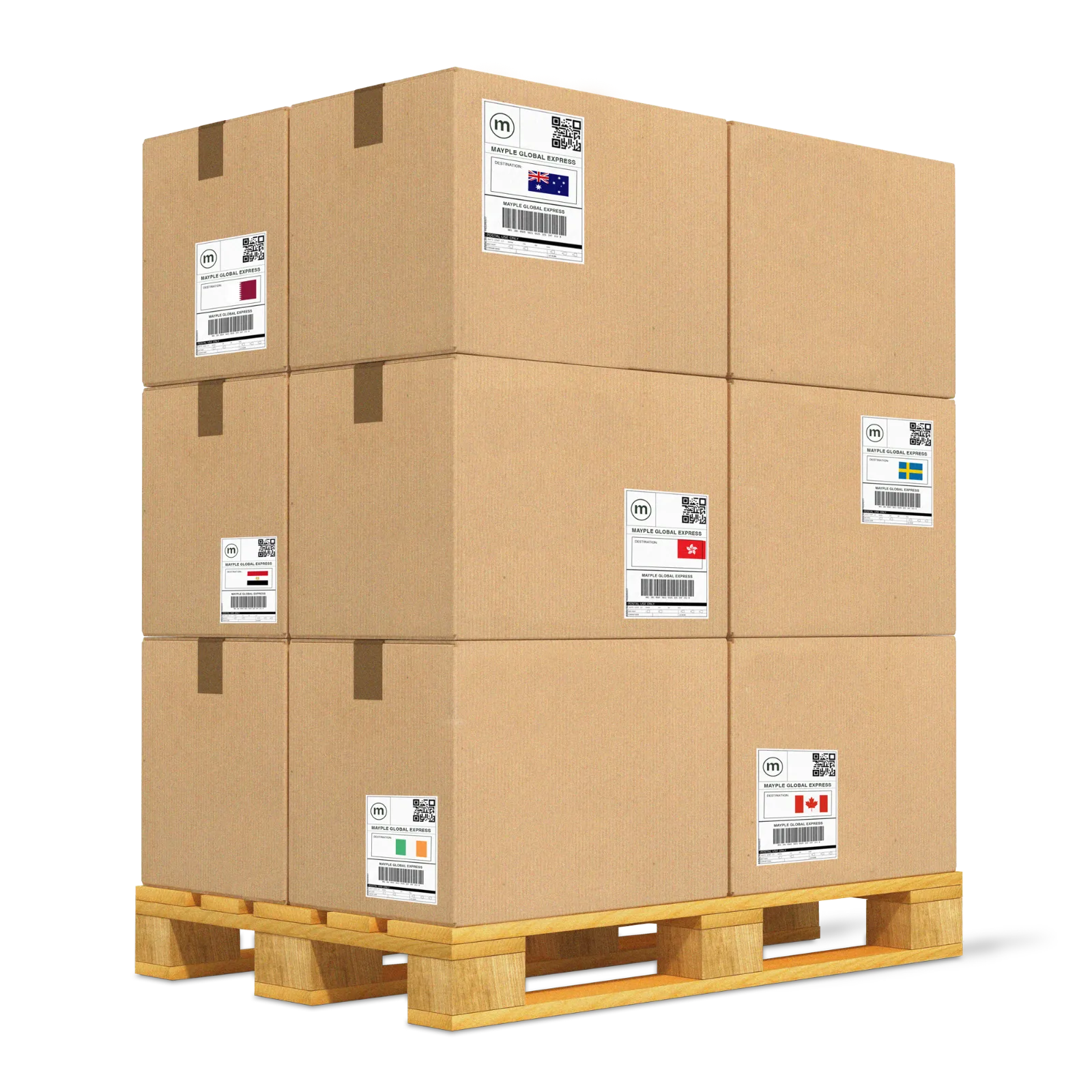
American consumable brands — from beauty and wellness products to packaged foods — carry a premium reputation overseas. Consumers worldwide associate them with high safety standards, quality ingredients and regulatory rigour, which makes them attractive in international markets.
Yet for many brands, expanding beyond US borders is an uphill battle. Strict labelling laws, compliance hurdles, fragmented supply chains and high fulfillment costs make international growth prohibitively complex. Recent shifts in tariffs and trade policy have only added to the difficulty.
The traditional route
Market-specific SKUs and a maze of regional law
Countries impose their own rules on ingredient approvals, packaging and customs clearance, forcing brands to create market-specific SKUs. Complexity drives up cost and slows expansion.
Many companies rely on local distributors to navigate it — at the price of reduced control over pricing, branding and inventory. Managing multiple warehouses compounds the problem, eroding margin.
The hub-and-spoke route
One global hub, one SKU
Instead of regional warehouses and layers of distribution, inventory is centralised in a single global hub. Orders are fulfilled directly to international consumers via optimised last-mile networks.
Brands expand globally while maintaining a single SKU — no region-specific packaging or labelling. Overhead drops and market entry accelerates.
The direct-to-consumer advantage
One of the most significant advantages of this approach lies in the direct-to-consumer fulfillment model, which takes advantage of regulatory nuance. When consumers purchase products for personal use, they often bypass the stricter compliance rules that apply to bulk imports and retail distribution. Mayple’s system leverages that principle, allowing brands to ship internationally without carrying retail-level regulatory requirements — eliminating costly delays and compliance roadblocks.
Why now
International demand for American-made consumables is rising, and shifting trade policy is reshaping the global commerce landscape. E-commerce has made cross-border shopping more accessible than ever, but traditional supply-chain models still leave many brands struggling to scale profitably.
By adopting a centralised, fulfillment-first strategy, brands can sidestep outdated distributor models, reduce costs, and unlock new revenue with minimal risk. Talk to us about the path for your brand.